Is there a price difference between crepi and sprayed cork?
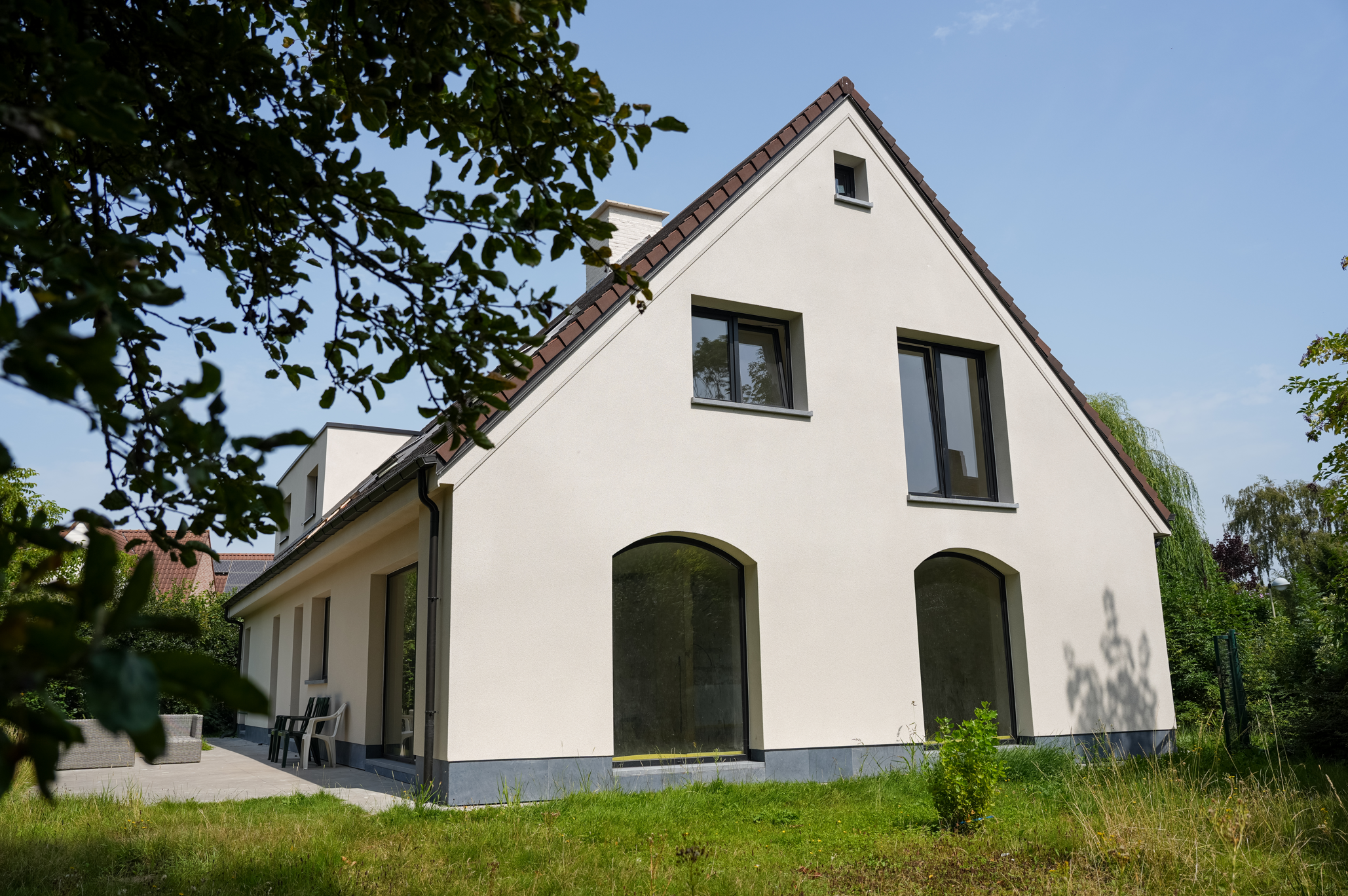
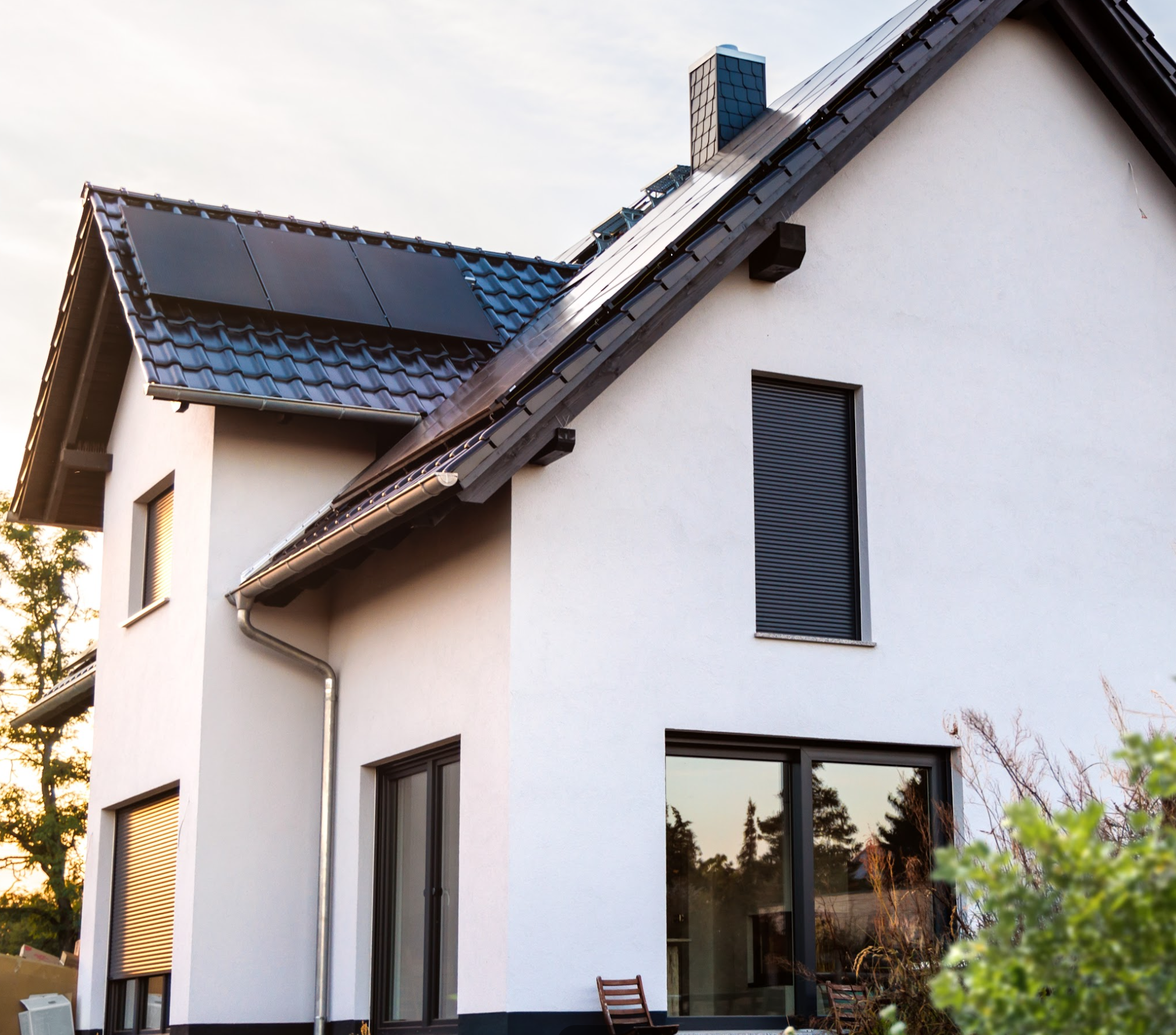
Yes. Sprayed cork is usually slightly more expensive than crepi. This is because the material is more durable and ecological, and the processing is slightly more intensive. Crepi remains a popular choice due to its sleek appearance and favorable price, but sprayed cork offers additional advantages such as vapor permeability and a natural look.
👉 Read more about sprayed cork as a facade finish
Does crepi get dirty quickly?
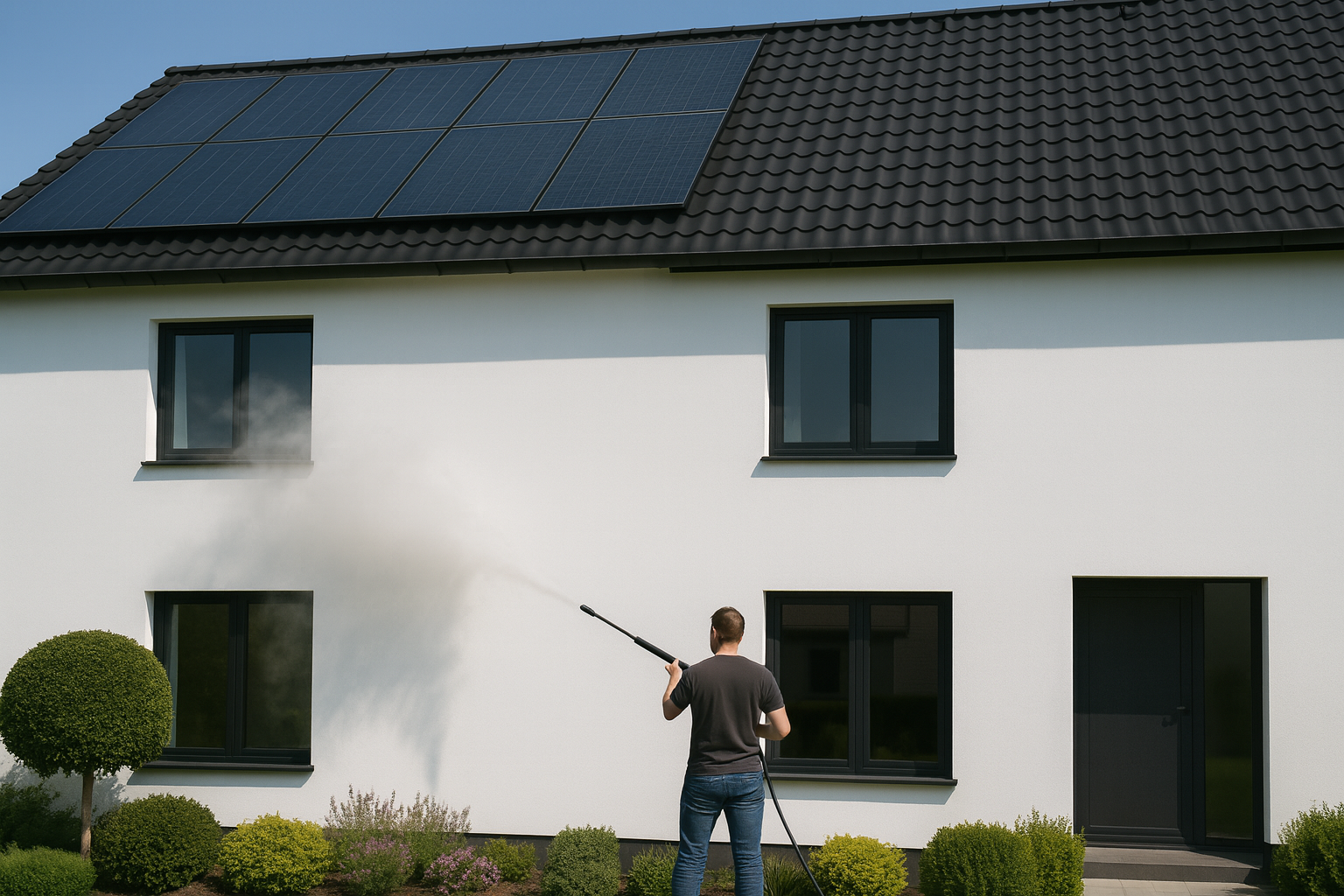
Crepi shows dirt more quickly than brick, especially in light colors. But that does not mean that it also gets dirty more quickly. Visibility depends on the surroundings, such as trees or busy streets, the side of the house exposed to the weather (such as the side exposed to driving rain), and the substrate. A flat white crepi shows dirt more quickly than a rough brick facade. Fortunately, every facade can be cleaned, and at Cleys we also offer self-cleaning crepi.
👉 Discover everything about crepi
Do I need a permit?
In many cases, yes, especially if the appearance of the building changes or if you install external insulation. Additional rules also apply to listed buildings or buildings in special urban development zones.
👉 Everything you need to know: Do I need a permit?
What is the average cost of a facade renovation?
The cost depends on the type of finish, the accessibility of the facade, any insulation, and the condition of the substrate. You can quickly get an initial estimate using our online tool.
👉 Calculate it using the facade calculator
Can I receive a subsidy for facade insulation?
Yes. Anyone who has their exterior walls insulated is eligible for subsidies from the Flemish government. There are also additional benefits if you renovate together with your neighbors or if your home is older.
👉 You can read all the information in our blog article about subsidies for facade insulation.
How much VAT do I pay on renovation work?
- For homes older than 10 years, the reduced VAT rate of 6% applies.
- For newer homes and new builds, 21% applies.
- In specific B2B contexts, 0% VAT applies in some cases.
How thick does my insulation need to be to meet the 2050 standard?
To meet the Flemish long-term target, you must insulate exterior walls to a minimum R-value of 4.16 m²K/W. For a facade, this corresponds to an insulation layer of 14 cm EPS and for a roof approximately 12 cm PIR. We always advise based on your type of home, finish, and desired subsidy.
How long does a facade renovation take?
That depends on the project and the weather!
- Insulating and finishing a front facade takes an average of one week.
- A complete four-facade house takes about three weeks.
- If you combine facade and roof insulation in a detached house, we usually talk about four to five weeks.
What if I want to whitewash or plaster my facade?
The surface must always be properly prepared before applying lime wash or plaster. This means removing old layers of paint, hosing down moss and dirt, and moistening the surface for optimal adhesion. Lime wash has a beautiful rustic look! Keep in mind that it can discolor slightly faster than sprayed cork, for example.
Are all facades suitable for exterior insulation?
Almost every facade can be insulated on the outside, although there are exceptions. Homes with limited building boundaries or protected views may have restrictions. At Cleys, we always look at customized options, including urban planning requirements.
Can I combine my facade with other works?
Absolutely. It is wise to combine façade renovation with roof renovation or window replacement. This way, you avoid double costs and ensure an energy-efficient whole. At Cleys, we offer total projects with a single point of contact for all your renovations.
Wat zijn populaire gevelafwerkingen?
In addition to crepi and sprayed cork, stone strips are also very popular, especially for those who want to combine an authentic or brick look with insulation. Other finishes such as limewash or wood are also popular choices. At Cleys, we focus on sustainable, low-maintenance finishes with insulation!
What determines whether a facade can be cleaned?
The cleaning technique depends on the type of brick and the type of dirt. Brick, crepi, sprayed cork, or natural stone each require a different approach. Depending on the material, we choose steam cleaning, soft wash, or a water repellent. We always analyze the surface first!
Is an anti-graffiti coating necessary?
Not always. But if your home is in a visible or sensitive location (such as a school, station, or busy street), a protective coating against graffiti can be useful. There are invisible, vapor-permeable coatings that protect the facade without changing its appearance.
How long does a new facade finish last?
A well-installed and maintained facade finish will easily last 20 to 30 years, sometimes even longer. Sprayed cork has a long lifespan and retains its color well, while crepi requires slightly more frequent maintenance or a new coat of paint over time. Maintenance and orientation play a major role in this.
Do you have any questions?
You will find detailed articles about subsidies, permits, facade finishes, and insulation on our blog page.
👉 View all articles on our blog!