
1. Start with demolition works
Are you planning to thoroughly renovate your home? Then it’s best to start with the heavy work. Everything that needs to be demolished (inside or outside) should be done first. Think of old interior walls, floors, chimneys or even the existing façade brick if it will not be kept.
Why now?
This way, you create space for new pipes, insulation or structural reinforcement. And you prevent having to demolish new elements again later.
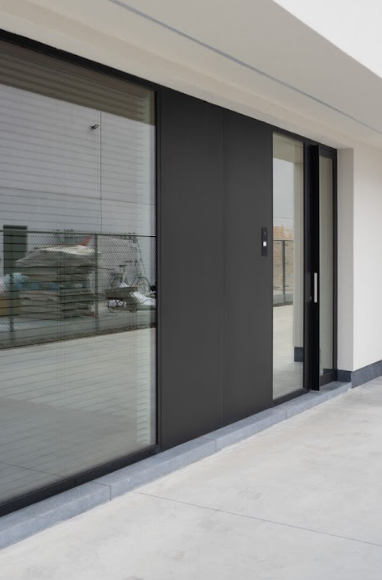
2. Fenêtres et portes : d’abord les remplacer, puis isoler
It’s best to replace windows and doors before starting on the façade. Why? Because you can then install them correctly straight away: further forward, so that the façade insulation fits neatly against them. This way you avoid thermal bridges and extra work on the reveals.
Note: make sure that the window sills protrude sufficiently to protect the façade afterwards against water and dirt.
Good to know: existing window sills can be kept, but it’s best to clad them with aluminium. Want to take it more thoroughly? Then go for new sills in bluestone.

3. Interior works and installations
During or after the exterior joinery, you can easily continue with the interior works. Think of:
- Electricity
- Ventilation
- Heating (e.g. heat pump or underfloor heating)
- Water pipes
💡 Our tip: already provide the outdoor passages now for your heat pump, extractor hood, dryer, etc. This way we won’t need to make new openings in the façade!

4. Roof works: renew and connect to the façade insulation
If your roof needs renewal, it’s best to tackle it before the façade works. We work with the sarking principle. The old roof covering (and possibly old insulation) is removed. Then new insulation boards are placed on the roof, followed by new battens and a finish of your choice.
Is your roof structure no longer in good condition?
A new roof starts with a strong base. If your roof structure is damaged or weakened, no worries, we will also take care of that where needed. This way you not only get a beautiful roof, but also a solid and safe whole!
Flat roof vs. pitched roof: what’s the difference?
A flat roof has, as the name suggests, a flat or slightly sloping top. There is usually no overhang at the edges. Rainwater drains away through a gutter or outlet at the top.
A pitched roof slopes downwards, as with most classic houses. Here there is often an overhang at the front and back, so that the roof extends a bit over the façade. On the sides, this is sometimes missing.
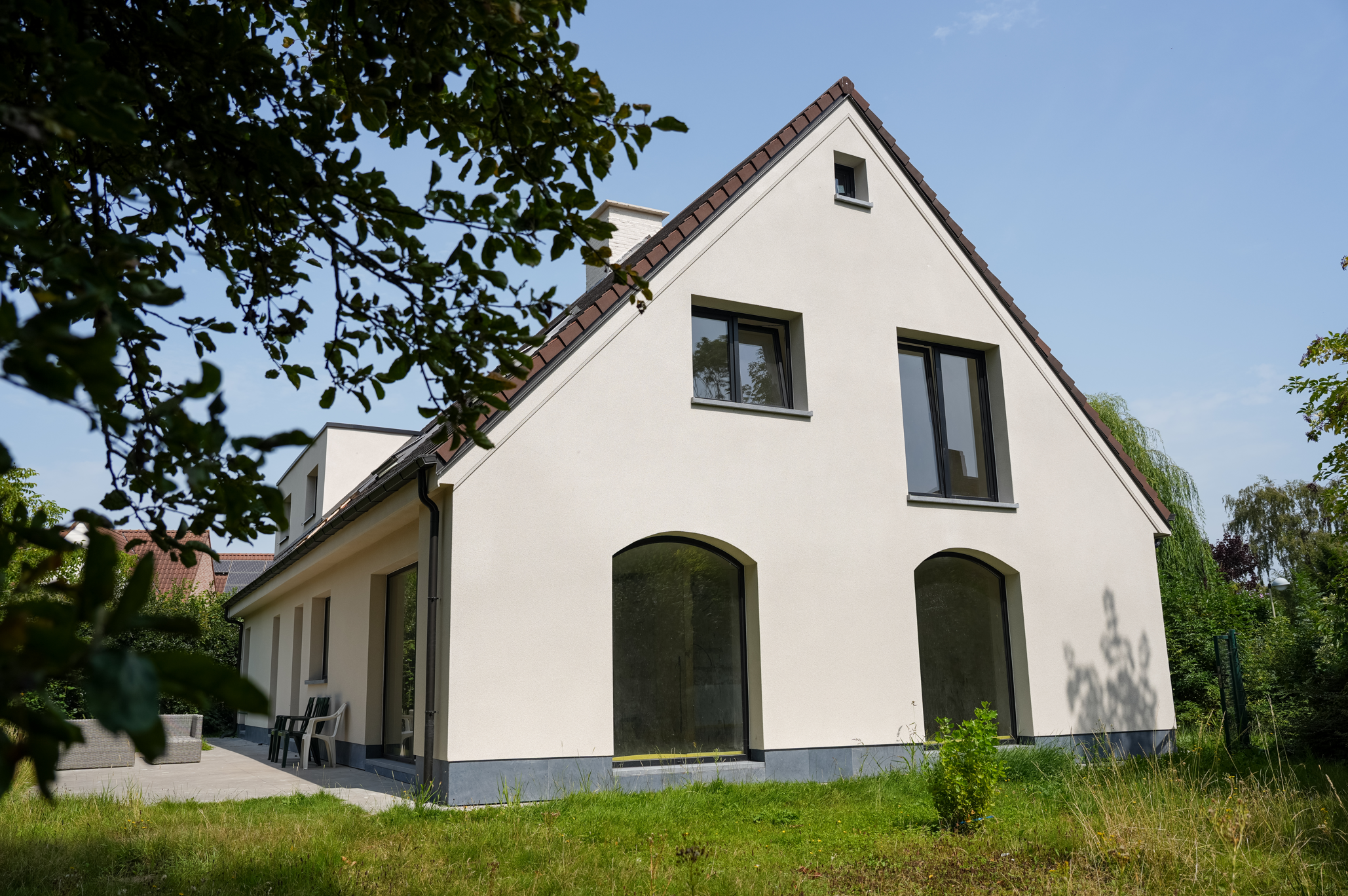
🛠️ With façade insulation, this overhang is important to properly protect the insulation package against rain and dirt. No overhang? Then there are solutions, for both types of roof.

5. Façade insulation and finishing
The icing on the cake: the façade. It’s best to finish this only after the works above have been completed.
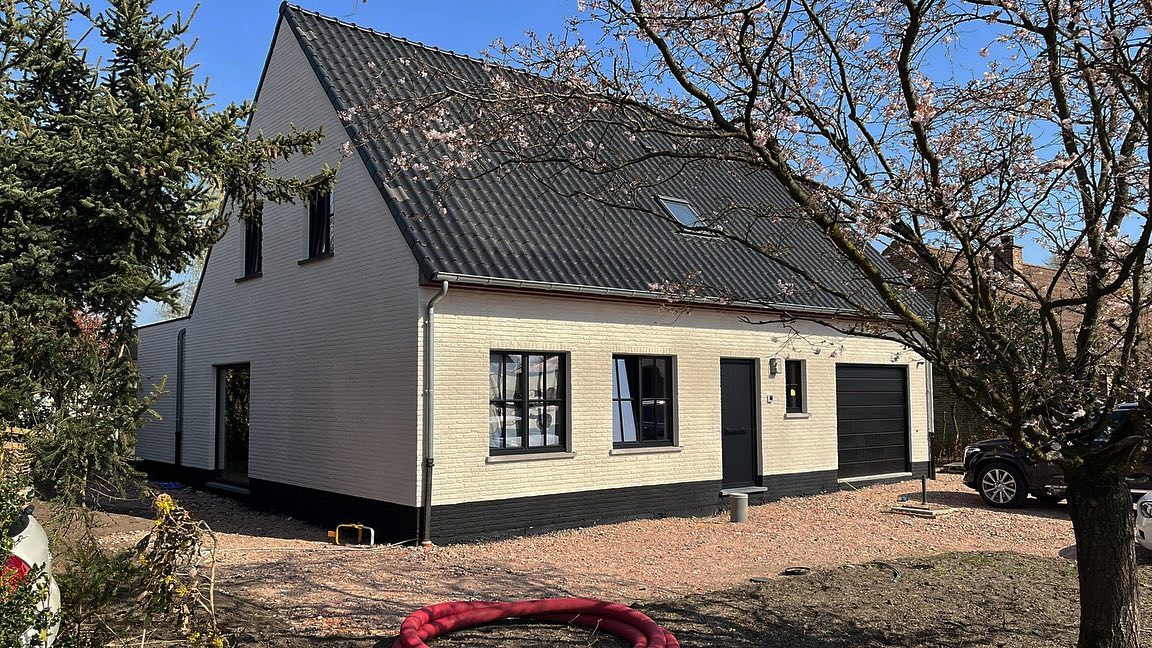
We first install the insulation package (EPS for façades and PIR for roofs), then comes the finishing: render, sprayed cork, brick slips or wood. The choice is yours!
What if your windows are not being replaced?
No problem. Then we simply provide new window sills and a proper finish around the reveals. Even then, we can avoid thermal bridges by insulating smartly, for example by grinding away part of the reveals of the openings.

6. Rainwater drains and finishing
Rainwater pipes should not be forgotten when renovating your façade. There are several options:
- Fully integrate the existing pipe or a new pipe into the façade
- Partially integrate a new pipe into the façade insulation
- Place a new pipe in front of the new insulation package
💡 Our tip: to guarantee quality, we recommend replacing the rainwater pipes and placing them in front of the new façade package. This way they always remain accessible and you are sure of the technical connections.
And solar panels?
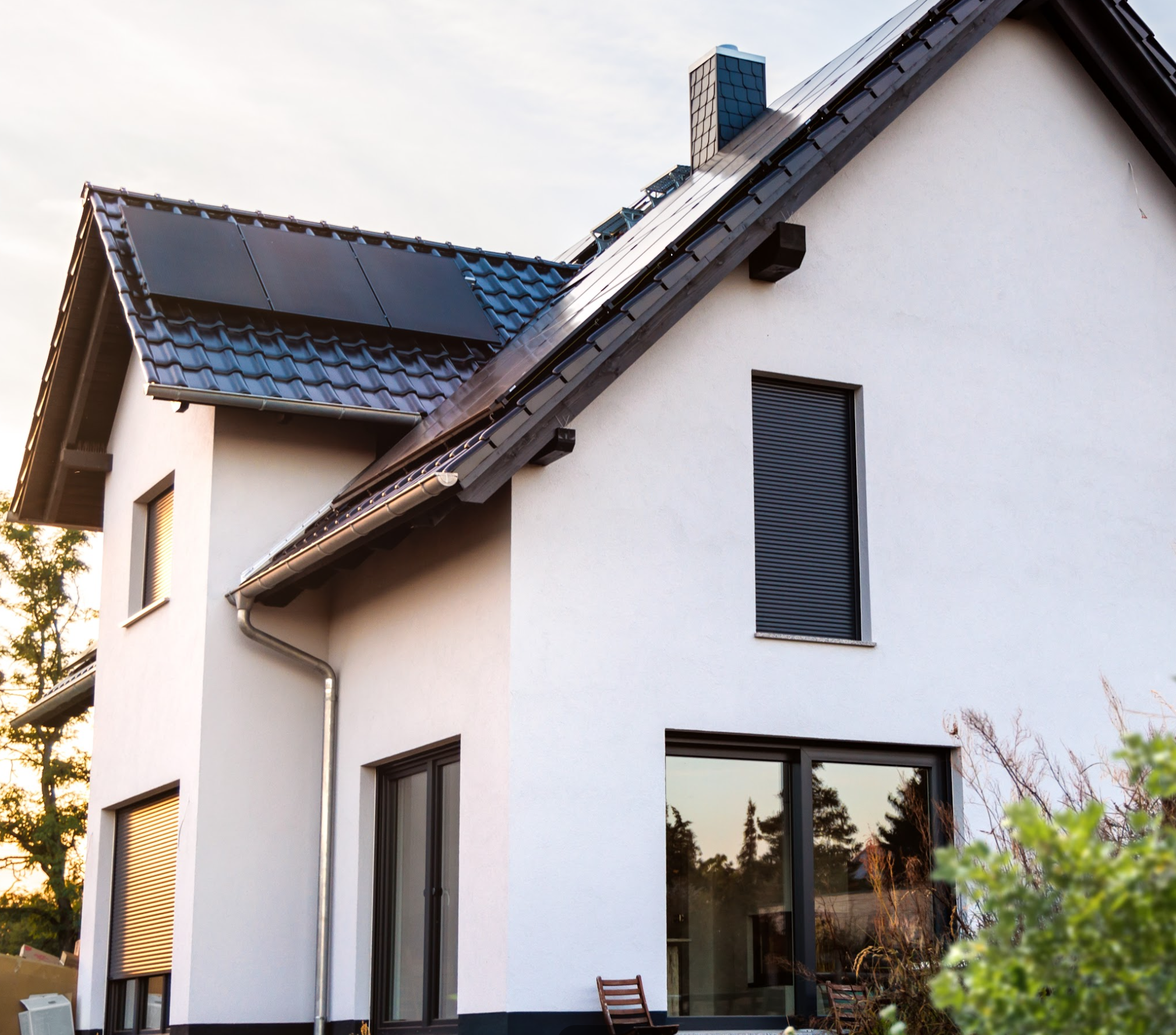
It’s best to install them after the roof. That way they are immediately positioned correctly, without extra work afterwards.
Finally: what if you only carry out façade works?
That’s also perfectly possible. Together we look at how to best connect the insulation to your existing roof and windows. We always ensure a technically correct and aesthetically pleasing solution, even without an overhang or without new windows.
Ready to renovate your home?
Do you dream of a beautiful, sustainable home? Do you want to have your home insulated, renovated or finished with high-quality render, sprayed cork or brick slips? Is your roof in need of renovation? Contact Cleys, your reliable renovation specialist, and discover how we professionally guide your project from A to Z.
Request your free, no-obligation quote today.